
Spring Steel vs Stainless Steel: Which Material for Your Springs
The material decision shapes load capacity, corrosion resistance, and cost. For most custom springs the choice is between high-carbon spring steel (often music wire) and stainless steel.
Neither is universally better. The right answer follows from where the spring runs and how hard it works.
Load capacity favors spring steel
Music wire and hard-drawn spring steel carry more force per wire diameter than stainless steel. That means a smaller, lighter, or cheaper spring can often do the same job when corrosion is not a concern.
If you are chasing a higher spring rate in a fixed space, spring steel is usually the starting point.
Corrosion resistance favors stainless steel
Stainless grades such as 302 and 304 resist rust without a coating. They hold up in damp environments, washdown areas, outdoor exposure, and food or medical contact where plating is not acceptable.
Spring steel can be zinc or nickel plated for moderate protection, but plating adds a process step and can wear at contact points.
| Factor | Spring steel | Stainless steel (302/304) |
|---|---|---|
| Load per wire diameter | Higher | Moderate |
| Corrosion resistance | Needs plating | Inherent |
| Cost | Usually lower | Higher |
| Fatigue life | Excellent (music wire) | Good |
| Common use | Dry, high-cycle | Wet, outdoor, clean |
Temperature changes the choice
Stainless steel keeps more of its strength at elevated temperatures and resists relaxation better than some plated spring steels. For hot environments, confirm the grade and operating range with your supplier.
Cost usually favors spring steel
When a part is dry and indoors, spring steel with a light coating is often the lowest total cost. Stainless steel removes the plating step but carries a higher raw material price.
How to decide
- List the environment: moisture, chemicals, temperature, washdown.
- State the required load and available space.
- Decide whether plating is acceptable.
- Let the supplier quote both options on the same drawing.
Quoting both materials on one drawing is a fast way to see the real cost difference for your part.
FAQ
Which material gives the longest life?
Music wire offers excellent fatigue life in dry, high-cycle applications. Stainless steel performs well where corrosion is the main risk. Confirm the expected cycle count with the supplier.
Can spring steel be used outdoors?
Only with a protective coating such as zinc or nickel plating. For long-term outdoor or washdown use, stainless steel is the safer choice.
Is stainless steel stronger than spring steel?
No. Spring steel typically carries more load for the same wire diameter. Stainless steel is chosen for corrosion resistance, not higher strength.
Do you offer both materials?
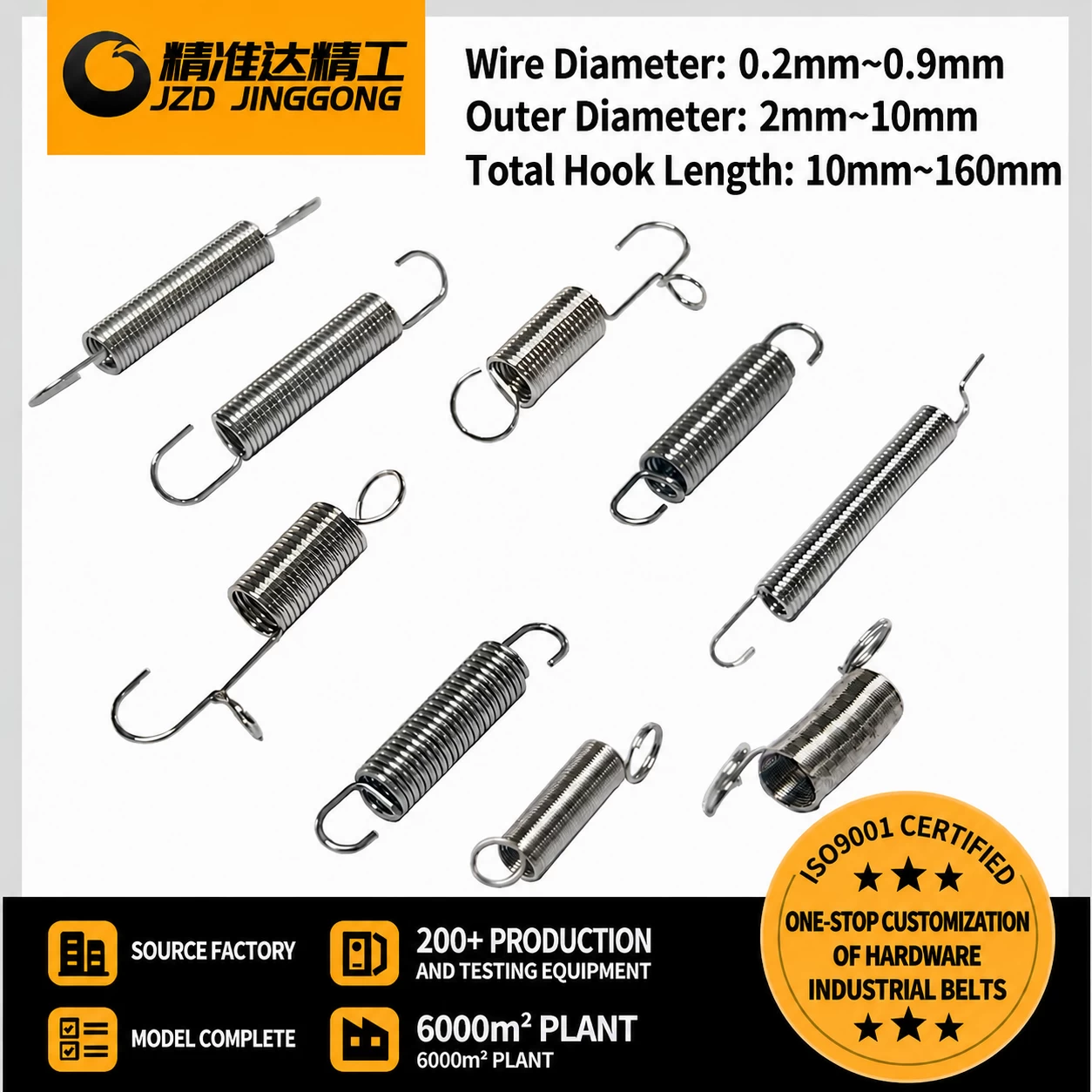
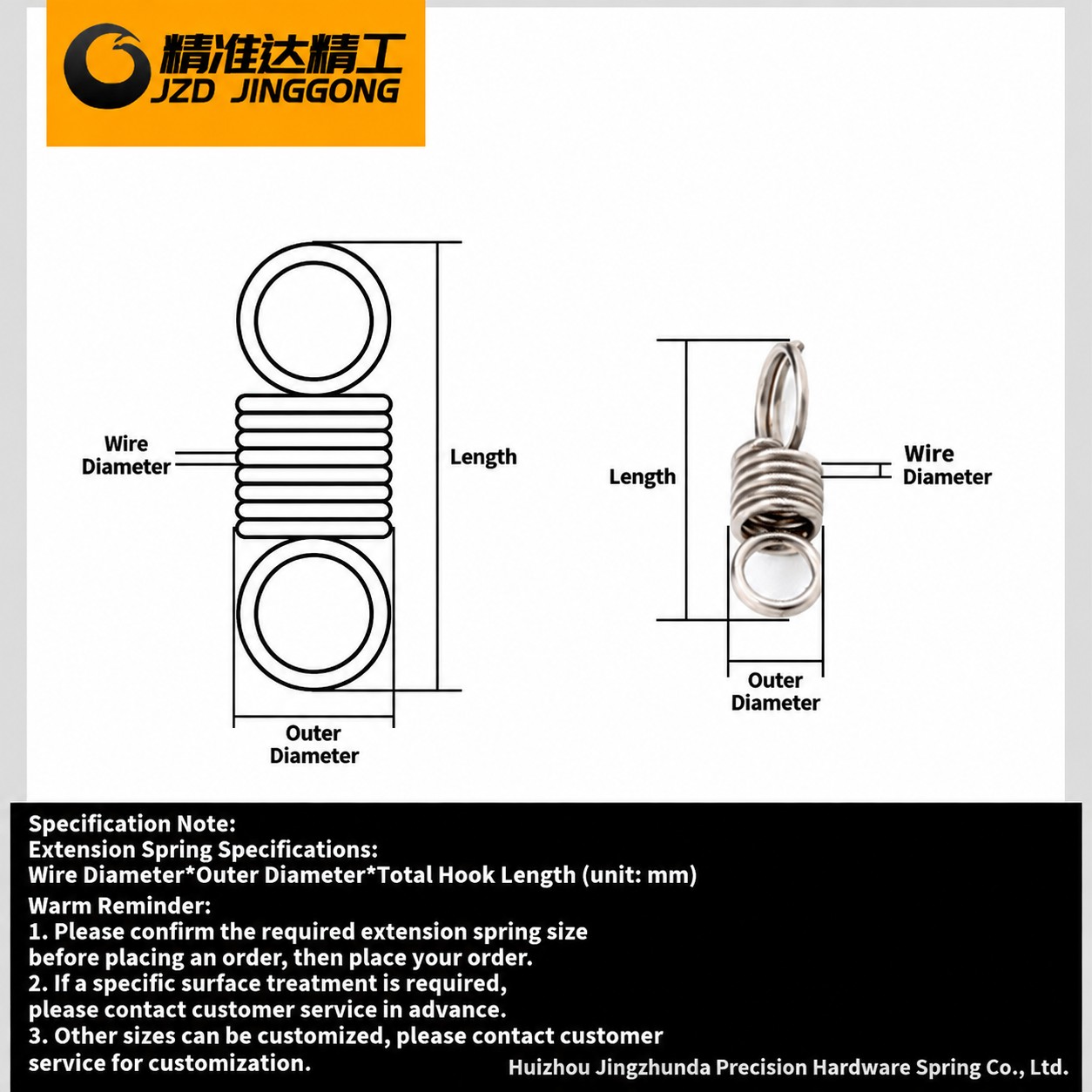
Yes. Custom compression, extension, and torsion springs are available in carbon spring steel and stainless grades. Specify the material on your drawing.
What surface treatments are available?
Spring steel can be zinc or nickel plated. Stainless steel usually needs no coating. Confirm the finish requirement with your specification.
How do I know which grade fits my application?
Share the operating environment, load, and temperature range. The supplier can recommend a grade and quote the part accordingly.
Make the material call with data, not guesswork
Send your drawing with the environment and load requirements, and request both material options. The cost and performance gap becomes clear quickly, and you can commit with confidence.
Request a quote for spring steel and stainless steel versions of your part, and include the operating environment and target quantity.
Browse the Precision Springs catalog for related parts, or submit your specifications to request a quote.