
Spring Surface Treatments: Nickel Plating, Polishing, and More
Surface treatment changes how a spring looks, resists corrosion, and performs. The finish is chosen for the environment and the application, not just for appearance.
Nickel plating, zinc plating, polishing, and anodizing each serve a different purpose.
Nickel plating
Nickel plating adds a bright, corrosion-resistant layer with good wear resistance. It is common on torsion springs and contacts where appearance and durability matter.
It also improves solderability on electrical contacts, which is why nickel appears on many battery and electronic parts.
Zinc plating
Zinc plating is a lower-cost corrosion barrier for spring steel. It is the default finish for many indoor and mild-outdoor applications where a bright or dull coating is acceptable.
Polishing
Polishing smooths the surface and improves appearance. It is a mechanical finish rather than a coating, so it does not add corrosion resistance on its own. Polished stainless parts combine the two benefits.
 Anodizing and electroplating for aluminum
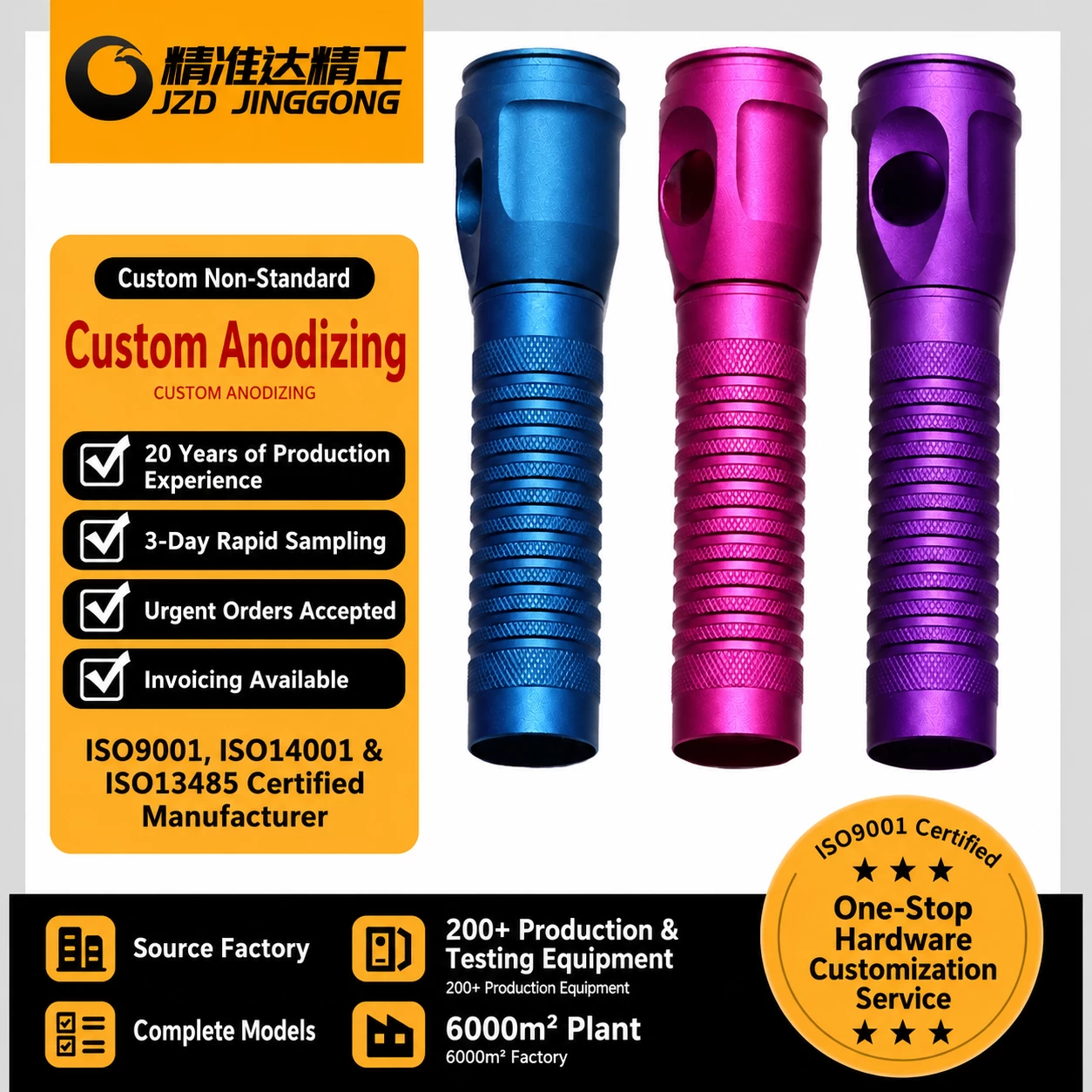
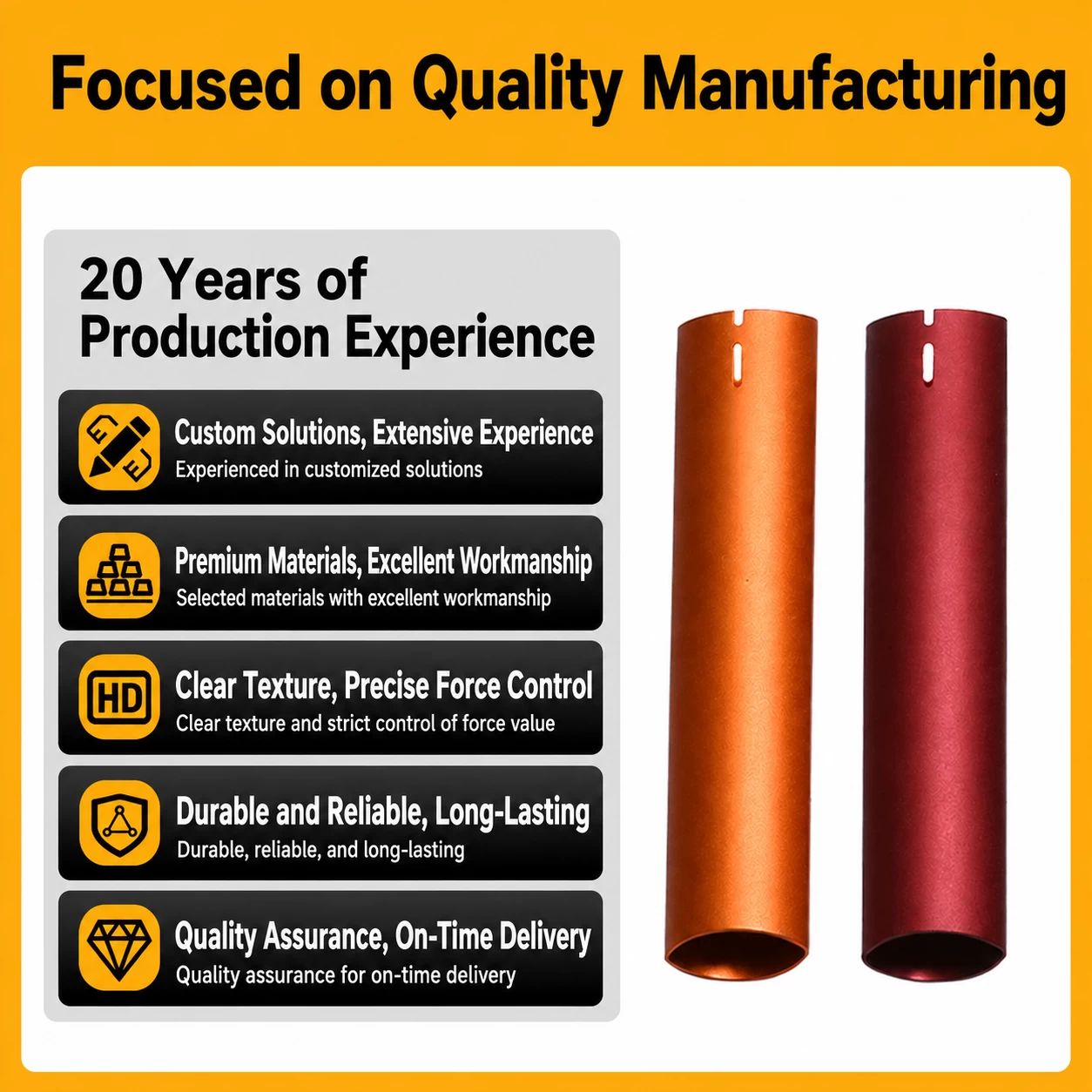
For aluminum parts, anodizing builds a hard oxide layer that resists wear and corrosion and accepts color. Electroplating deposits a metal layer such as nickel or chrome for conductivity or appearance.
These processes apply to aluminum tubes, sheets, mesh, and machined parts rather than steel springs.
| Finish | Main benefit | Typical use |
|---|---|---|
| Nickel plating | Corrosion + wear resistance | Torsion springs, contacts |
| Zinc plating | Low-cost corrosion barrier | General spring steel parts |
| Polishing | Appearance, smooth surface | Stainless and decorative parts |
| Anodizing | Hard oxide layer, color | Aluminum parts |
How to choose a finish
- State the environment: indoor, outdoor, washdown, or chemical exposure.
- Note whether the part is conductive or soldered.
- Decide whether appearance is a requirement.
- Confirm the finish with the supplier against the material.
The right finish balances corrosion protection, conductivity, and cost for the specific part.
FAQ
Which plating is best for corrosion resistance?
Nickel plating offers good corrosion and wear resistance. For stainless parts, no coating is needed. Confirm the finish for your environment.
Can plated springs still conduct electricity?
Yes. Nickel plating in particular preserves conductivity and improves solderability on contacts.
Is polishing enough for outdoor use?
No. Polishing is a mechanical finish and does not add corrosion resistance on its own. Pair it with stainless material or a coating.
Do you offer anodizing for aluminum parts?
Yes. Anodizing and electroplating are available for aluminum tubes, sheets, mesh, and machined parts.
Can the finish change the spring's dimensions?
Plating adds a thin layer that can slightly affect dimensions and load. Specify the finish before production so it is accounted for.
What finish do you recommend for battery contacts?
Nickel plating is common for its conductivity and corrosion resistance. Confirm the recommendation based on the connection method.
Pick the finish for the environment, not just the look
Surface treatment protects and enables the part. State the environment and conductivity needs, and the supplier can recommend the finish that fits.
Tell us the material, environment, and any conductivity or appearance requirements to get a finish recommendation and quote.
Browse the Custom Service catalog for related parts, or submit your specifications to request a quote.