
Spring Certifications and Compliance: What US Buyers Should Verify
Compliance for springs and metal parts is not one certificate. It is a set of material standards and chemical restrictions that apply depending on where the part is sold and how it is used.
Knowing what to ask for—and what does not apply to your part—prevents overpaying and avoids customs or reseller problems.
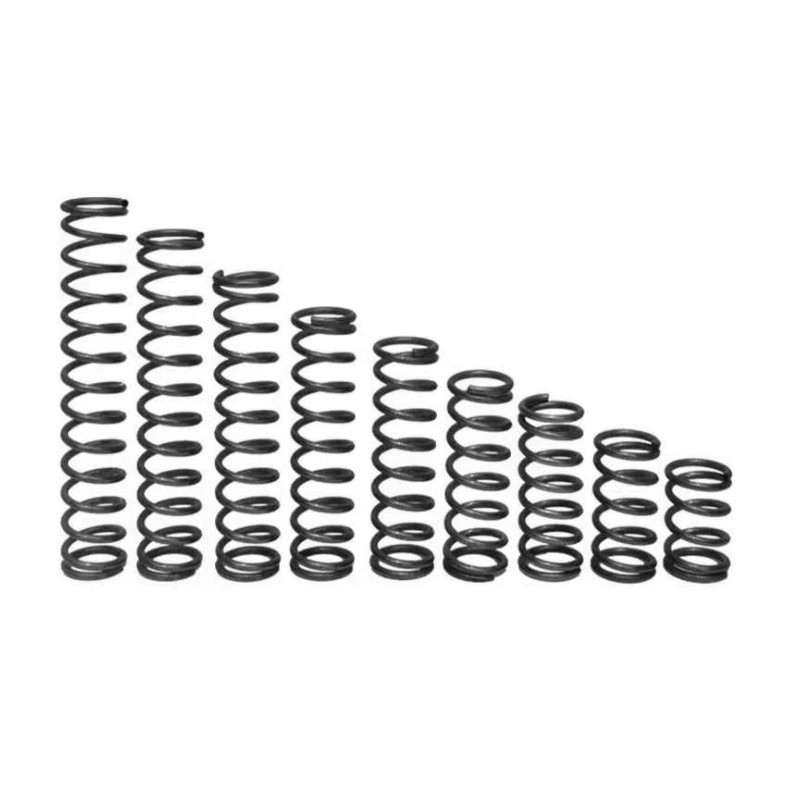
Material standards: ASTM
Spring wire is commonly specified to ASTM standards. Music wire follows ASTM A228, hard-drawn carbon steel ASTM A227, and stainless steel spring wire ASTM A313. These define the material grade and properties.
Referencing the right ASTM designation on your drawing makes the material expectation clear to any supplier. You can confirm current editions on the ASTM International site.
RoHS: scope depends on the product
RoHS (Directive 2011/65/EU) restricts lead, mercury, cadmium, hexavalent chromium, and certain flame retardants in electrical and electronic equipment. A bare metal spring is not automatically in scope just because it will be fitted into an electronic product.
Whether RoHS applies depends on the finished equipment and its components. Confirm applicability with your product owner before requesting a declaration.
REACH: article-level SVHC communication
REACH (Regulation (EC) No 1907/2006) applies to substances, mixtures, and articles. A metal part is usually treated as an article. If it contains a Substance of Very High Concern (SVHC) above 0.1% by weight, the supplier must communicate that for safe use.
The SVHC Candidate List changes over time. Check the current list on the ECHA site rather than relying on a fixed count.
California Proposition 65
Proposition 65 requires warnings for products that expose California consumers to listed chemicals. Metal parts with certain platings can contain substances on the list, so warning obligations depend on the material and finish.
The current chemical list is maintained by OEHHA at P65Warnings.ca.gov. Confirm whether your specific material and finish trigger a requirement.
| Item | What it governs | Where to verify |
|---|---|---|
| ASTM A228 / A227 / A313 | Spring wire material | astm.org |
| RoHS 2011/65/EU | Restricted substances in EEE | EU directive text |
| REACH 1907/2006 | Substances and SVHC in articles | echa.europa.eu |
| Prop 65 | California chemical warnings | p65warnings.ca.gov |
What to request from the supplier
- Material certificate or declaration for the exact grade and finish.
- Restricted-substance declaration tied to your part number and revision.
- SVHC information for the supplied article, where applicable.
- Confirmation of the coating and plating used.
Request documents that match the actual build, including part number, material, and finish. A generic company letter without those details is weak evidence.
FAQ
Do bare metal springs need RoHS testing?
Not automatically. RoHS applies to electrical and electronic equipment. Confirm whether the finished product falls in scope before requesting a declaration.
What is the difference between RoHS and REACH?
RoHS restricts specific substances in electrical and electronic equipment. REACH covers substances, mixtures, and articles more broadly, including SVHC communication.
What ASTM standard applies to stainless spring wire?
ASTM A313 covers stainless steel spring wire. Music wire follows ASTM A228, and hard-drawn carbon steel follows ASTM A227.
Do I need a Proposition 65 warning for springs?
It depends on the material and finish. Confirm whether your specific part contains a listed chemical at p65warnings.ca.gov.
Can you provide a material certificate?
Confirm with the supplier whether a material certificate or declaration is available for your grade and finish, and tie it to your part number.
Who is responsible for final compliance?
The importer and product owner determine applicability and market obligations. A supplier provides material and process information for the supplied part.
Verify scope before requesting documents
Compliance starts with knowing which rules apply to your product and market. Reference the right material standard, confirm chemical scope, and request documents tied to your exact part.
Tell us your market, material, and finish requirements, and request the material and substance declarations you need for your order.
Browse the Precision Springs catalog for related parts, or submit your specifications to request a quote.