
Custom Wire Forming: A Design Guide for Bent Wire Parts
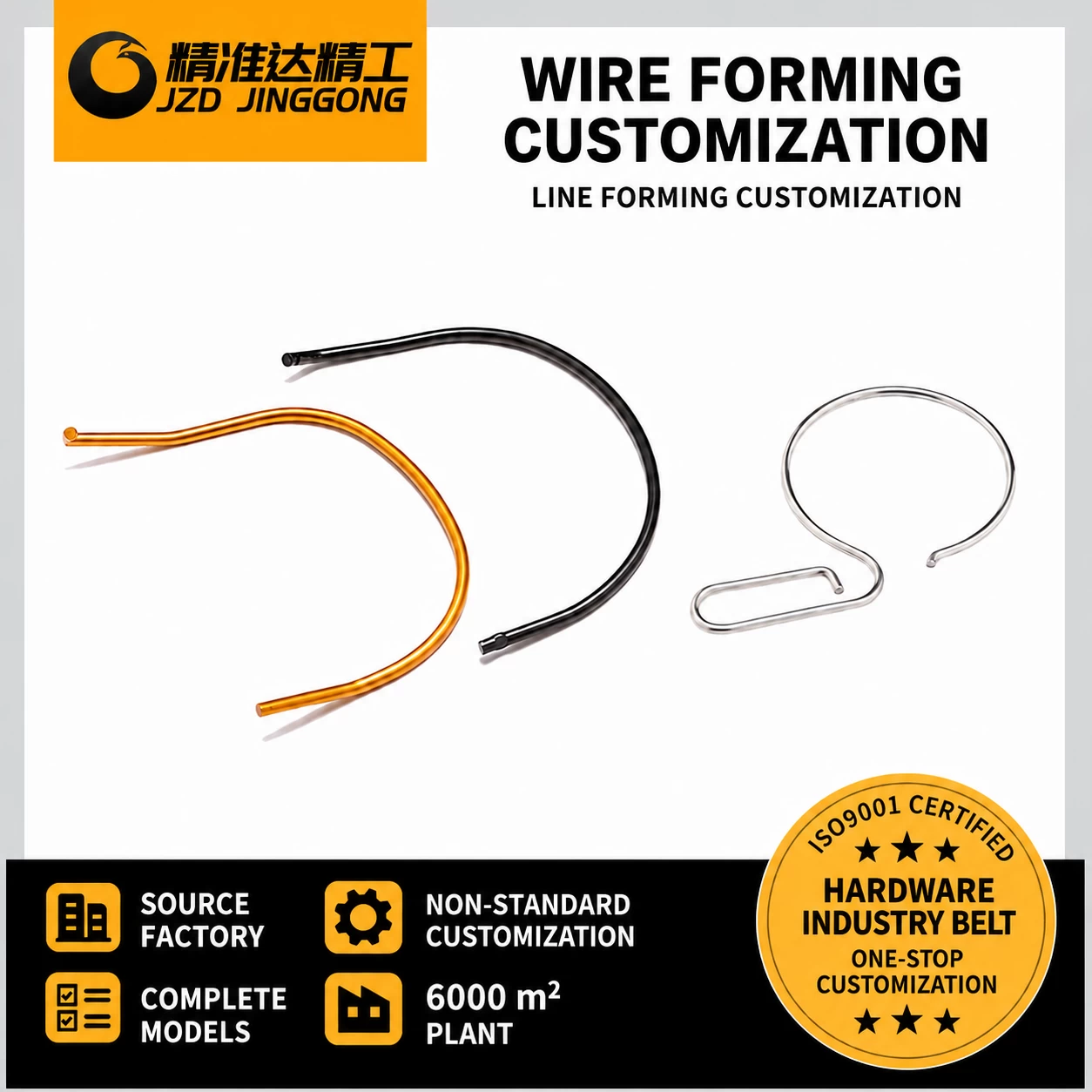
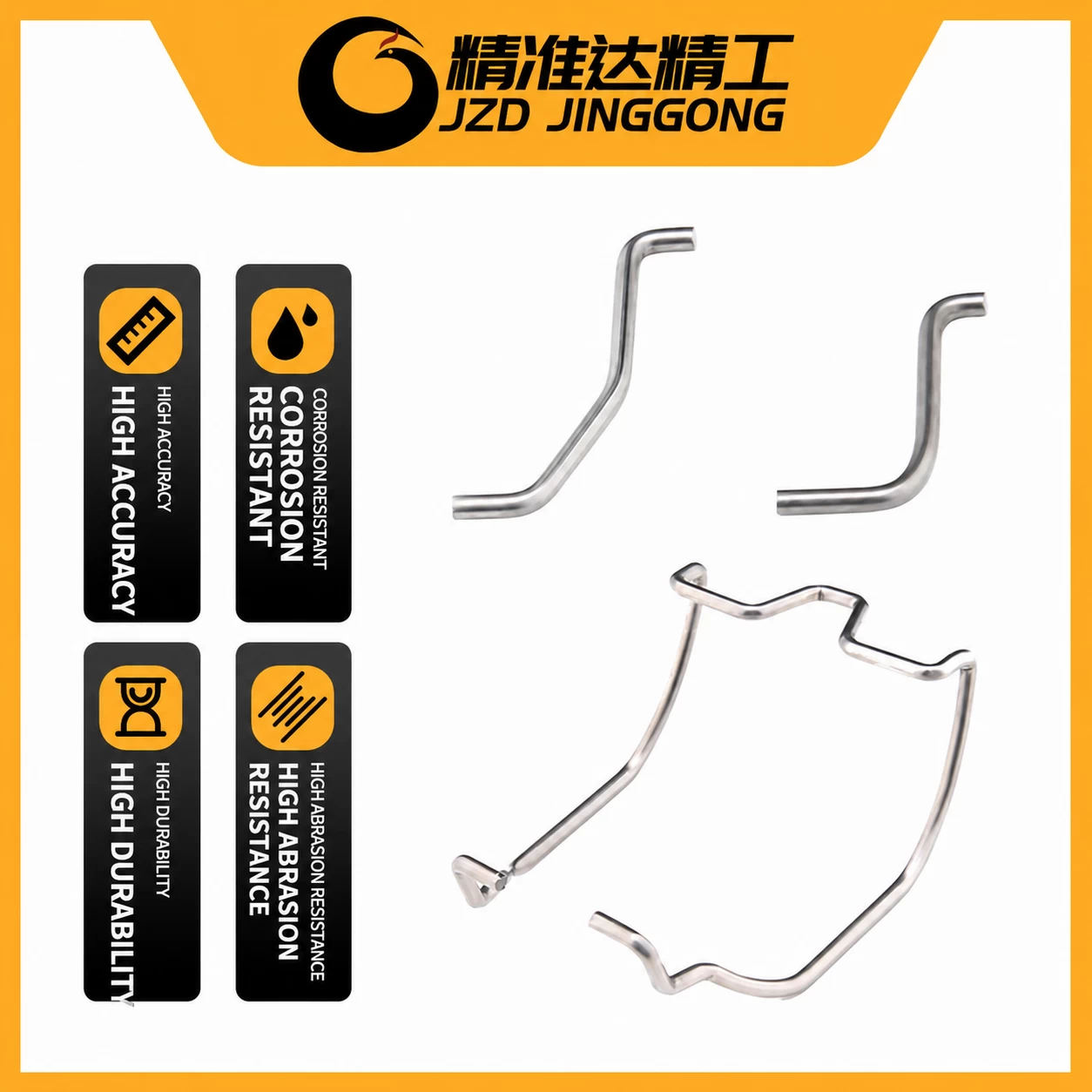
Wire forms are bent and shaped from wire into clips, brackets, hooks, and other special-shaped parts. They carry or locate components rather than storing energy like a spring.
A few design rules make wire forms easier to manufacture and more consistent in production.
Material follows the same logic as springs
Wire forms use the same materials as springs: spring steel, music wire, and stainless steel. Choose spring steel for strength and lower cost, or stainless steel where corrosion resistance matters.
Wire diameter and material set the stiffness and the minimum bend radius the part can take.
Bend radius and tolerances
Every bend has a minimum radius that depends on wire diameter and material. Too tight a bend can crack the wire. State the bend radius or let the supplier recommend a practical value.
Keep tolerances realistic. Wire forms are bent, not machined, so over-tight tolerances raise cost without improving function.
What to include in the specification
- Wire diameter and material.
- Overall length and bend angles.
- Bend radii and leg lengths.
- Surface finish (plain, plated, or coated).
- Critical dimensions and their tolerances.
A drawing or a physical sample is the fastest way to communicate a wire form. A photo with a ruler for scale also works for simple parts.
Common uses for wire forms
| Part | Function | Typical material |
|---|---|---|
| Retaining clips | Hold components in place | Spring steel |
| Mounting brackets | Support or locate parts | Spring steel, stainless |
| Battery contacts | Electrical connection | Phosphor bronze, plated steel |
| Hooks and levers | Mechanical linkage | Music wire |
FAQ
What is the difference between a wire form and a spring?
A spring stores energy and returns to shape. A wire form is a rigid bent part that holds or locates components. The boundary can blur for parts like clips.
Can you make a wire form from my sketch?
Yes. A sketch, photo with dimensions, or sample is enough to start. The supplier can finalize the bend details for production.
What is the smallest bend radius you can make?
It depends on wire diameter and material. Confirm the minimum bend radius for your specification with the supplier.
Can wire forms be plated?
Yes. Zinc, nickel, and other finishes are available for corrosion resistance or conductivity. Specify the finish on your drawing.
Do wire forms require tooling?
Many wire forms can be made on standard forming equipment. Confirm whether your part needs dedicated tooling and whether there is a tooling cost.
Can I combine wire forms with springs in one order?
Yes. Multiple part types can be quoted and produced together from your drawings or samples.
Design for manufacturability from the start
Wire forms are economical when bends are practical and tolerances are reasonable. Send your drawing or sample early so the supplier can flag any bend that needs adjustment before you commit.
Send your wire form drawing or sample with material and finish requirements to get a quote.
Browse the Precision Springs catalog for related parts, or submit your specifications to request a quote.